November 17, 2026
By Ricardo Cabrera | November 17, 2026
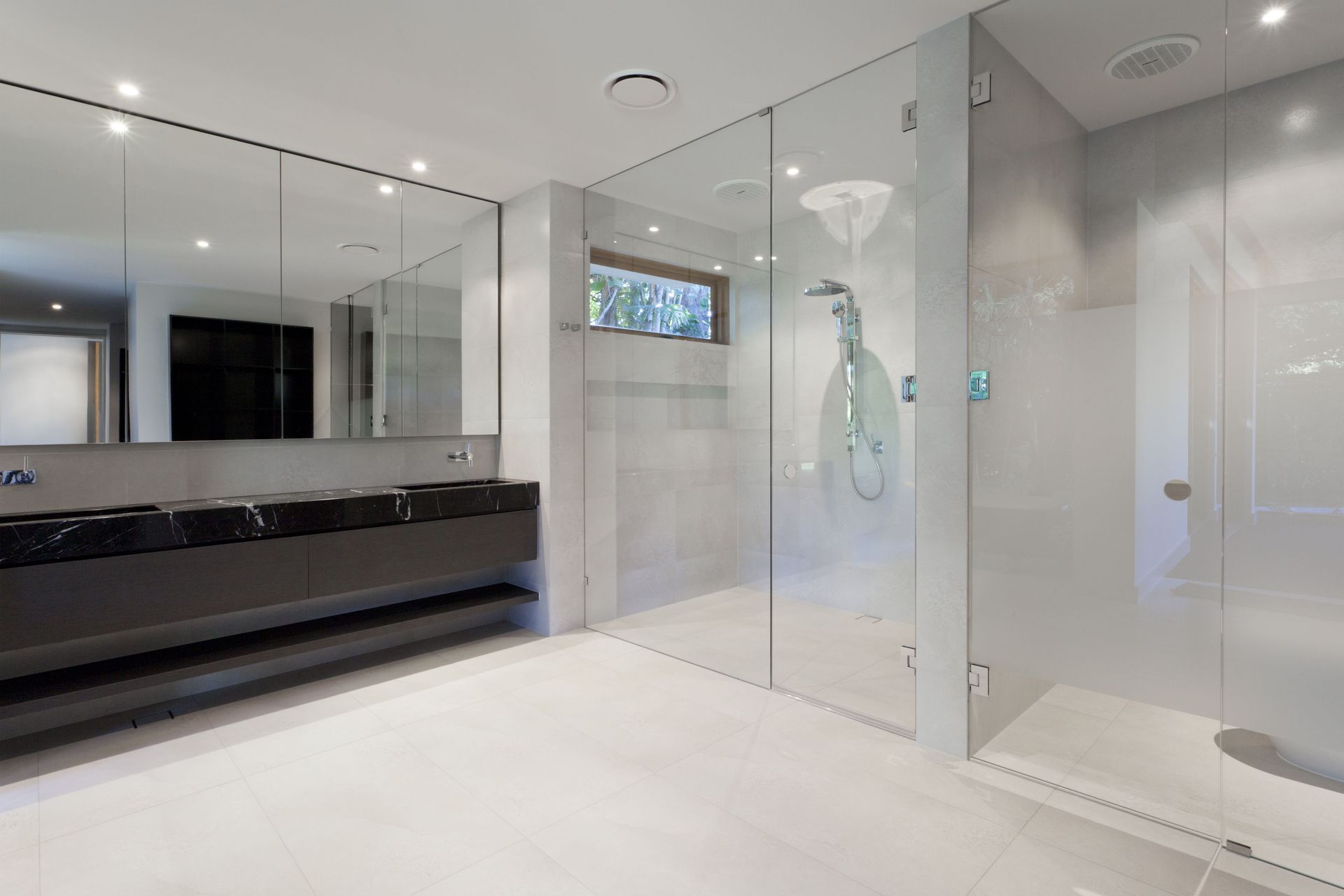
Lighting has a major influence on how a bathroom looks, feels, and functions. The right fixtures can make a small space appear brighter, highlight attractive design features, and create a more comfortable environment for everyday routines. During bathroom remodeling, homeowners can explore modern lighting options that combine visual appeal with practical performance.
Improving Visibility With Layered Lighting
A well-lit bathroom needs more than one overhead fixture. Layered lighting combines different sources to provide balanced illumination throughout the room. This approach helps reduce shadows, improves visibility, and makes it easier to use different areas of the bathroom comfortably.
The three primary lighting layers include:
- Ambient Lighting: General illumination provides overall brightness throughout the room. Recessed ceiling lights, flush-mount fixtures, and decorative ceiling lights are common options.
- Task Lighting: Focused illumination supports activities such as shaving, applying makeup, and grooming. Vanity lights and wall sconces can provide light where it is needed most.
- Accent Lighting: Decorative lighting draws attention to architectural details, tile features, shelving, or other design elements.
Combining these layers creates a more versatile space than relying on a single ceiling fixture. During bathroom remodeling, homeowners should consider how each lighting source will work with the room's layout, finishes, and daily uses. A thoughtful lighting plan can also help prevent overly bright areas or dark corners.
Installing Modern Vanity Lighting
Vanity lighting is one of the most important upgrades because it directly affects visibility around the bathroom mirror. Poorly positioned fixtures can cast shadows across the face, making everyday grooming tasks more difficult. Modern vanity lighting provides an opportunity to improve both functionality and style.
Wall sconces positioned on either side of a mirror can distribute light more evenly across the face. Fixtures mounted above the mirror are another option, particularly when wall space is limited. Homeowners should consider the mirror size, ceiling height, and vanity width when selecting fixtures.
Modern vanity lighting styles include:
- Slim horizontal LED fixtures for a clean, contemporary appearance.
- Decorative sconces with glass shades for a softer look.
- Minimalist metal fixtures that complement modern hardware.
- Integrated mirror lighting for a streamlined design.
The color temperature of the bulbs also matters. Warm white lighting can create a relaxing atmosphere, while neutral white light may provide a more natural appearance for grooming. Choosing consistent color temperatures throughout the bathroom helps maintain a cohesive look.
Incorporating Energy-Efficient LED Fixtures
LED lighting is a popular choice for homeowners who want dependable illumination with lower energy consumption. Compared with traditional incandescent bulbs, LEDs generally use less electricity and have a longer operating life. This can reduce the frequency of bulb replacements and help manage household energy expenses.
LED options are available in many forms, including recessed lights, vanity fixtures, light strips, and decorative sconces. Their compact size also makes them suitable for designs that require subtle or integrated illumination.
Homeowners can incorporate LED lighting in several ways:
- Install recessed LED fixtures for general ceiling illumination.
- Add LED strips beneath floating vanities or inside recessed shelving.
- Choose LED vanity fixtures for consistent task lighting.
- Use dimmable LED bulbs to adjust brightness throughout the day.
When planning a bathroom remodeling project, it is important to select fixtures and bulbs compatible with the intended switches and dimmers. Not all LED products work with every dimming system, so checking product specifications before installation can help avoid flickering or inconsistent performance.
Adding Dimmers for Flexible Illumination
Bathroom lighting needs can change throughout the day, making flexibility an important consideration during bathroom remodeling. Bright illumination may be useful in the morning, while softer lighting can create a more relaxing atmosphere in the evening. Dimmer switches allow homeowners to adjust brightness based on the activity, time of day, or desired mood.
Dimmers can be especially useful when paired with layered lighting. For example, ambient lights can be lowered while vanity fixtures remain bright enough for grooming. Accent lighting can also provide a subtle glow without illuminating the entire room.
Before adding dimmers, homeowners should confirm that the selected fixtures and bulbs support dimming. Electrical compatibility is essential for reliable operation. A qualified professional can help determine whether the existing switches and wiring can accommodate the planned upgrades.
Highlighting Architectural and Decorative Features
Modern lighting can do more than brighten a bathroom. It can also emphasize the materials, textures, and design features that make the space distinctive. Strategic placement helps create visual depth and gives decorative elements more presence.
Under-vanity lighting is one option for adding a subtle contemporary effect. LED strips can illuminate the floor beneath a floating vanity, creating a soft glow. Recessed niche lighting can highlight shower tile, built-in shelving, or decorative wall finishes.
Other options include lighting around mirrors, illuminated medicine cabinets, and small accent fixtures near freestanding tubs. These features can help create a spa-inspired atmosphere while making the room feel more thoughtfully designed.
The goal is to use accent lighting selectively. Too many decorative fixtures can make the space feel cluttered, while a few well-placed sources can highlight important features without overwhelming the overall design.
Selecting Moisture-Rated Bathroom Fixtures
Bathrooms have unique environmental conditions because fixtures are exposed to humidity, condensation, and occasional water contact. Choosing lighting designed for the intended location is essential for safe, reliable performance.
Fixtures installed near showers, bathtubs, and other wet areas must meet the appropriate damp-location or wet-location rating. These ratings indicate whether a product is designed to withstand exposure to moisture. Homeowners should review manufacturer specifications and follow applicable electrical codes when selecting fixtures.
Placement is also important. Lighting should be installed with appropriate clearances from water sources, and electrical components must be suitable for the environment. During bathroom remodeling, planning these details early can help prevent installation problems and ensure that the finished design meets safety requirements.
Coordinating Lighting With the Overall Design
Lighting should complement the bathroom's materials, fixtures, and overall style. A contemporary bathroom may benefit from simple geometric fixtures, recessed lights, and integrated LED accents. Traditional spaces may look better with decorative sconces, warm illumination, and finishes that coordinate with faucets and cabinet hardware.
According to Earth Web, approximately 80% of homes in the United States are at least 20 years old, creating ongoing demand for home improvements and remodeling projects. Updating bathroom lighting can be a practical way to refresh an older space while improving its everyday functionality. During bathroom remodeling, homeowners can use updated fixtures and carefully planned illumination to make an aging bathroom feel more modern without requiring a complete change to its layout.
Homeowners should consider fixture finishes, glass styles, bulb color temperatures, and brightness levels together rather than selecting each element independently. A coordinated plan helps the lighting feel like a natural part of the design instead of an afterthought. Matching new fixtures to existing finishes and design elements can also create a more polished appearance while ensuring the updated lighting supports the room's overall purpose.
Planning a Brighter Bathroom Upgrade
Modern lighting can improve visibility, enhance design features, and make a bathroom more comfortable to use. Layered illumination, updated vanity fixtures, energy-efficient LEDs, dimmer switches, and moisture-rated products all contribute to a more functional finished space. Planning these elements together helps homeowners create a balanced design that supports both daily routines and long-term enjoyment. During bathroom remodeling, thoughtful lighting choices can also make older spaces feel more current without sacrificing comfort or practicality.
Coordinating fixture placement, brightness, and finishes with the rest of the design helps create a cohesive appearance. For professional design and construction services to help bring your bathroom improvements together, contact Executive Custom Builders to discuss your next project.